Buy sunstroke.eu ?
We are moving the project
sunstroke.eu .
Are you interested in purchasing the domain
sunstroke.eu ?
domain@kv-gmbh.de · 0541-91531010
Buy sunstroke.eu ?
What is the difference between hydration and dehydration?
Hydration refers to the process of providing the body with enough fluids to maintain proper function and balance. It involves consuming water and other fluids to prevent the body from becoming dehydrated. Dehydration, on the other hand, occurs when the body loses more fluids than it takes in, leading to an imbalance that can cause symptoms such as thirst, dry mouth, fatigue, and dizziness. In summary, hydration is the act of providing the body with enough fluids, while dehydration is the state of having insufficient fluids in the body. **
Should one heat up or warm up?
One should warm up before engaging in physical activity. Warming up helps to gradually increase heart rate, improve blood flow to the muscles, and increase joint flexibility, which can help prevent injury during exercise. Heating up, on the other hand, typically refers to increasing body temperature through external means, such as using a heating pad or taking a hot shower, and is not typically necessary before exercise. **


Similar search terms for Warm
Top-Angebote
Products related to Warm:
-
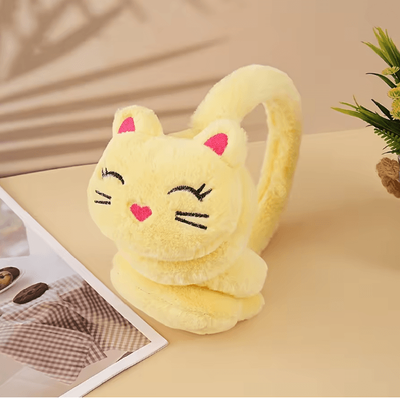
Inspire Essentials CozyCat Plush Earmuffs Winter Warm Ear Protection yellowWhen the chill of autumn and winter winds hits, your ears deserve the same soft comfort you give your heart. The CozyCat Plush Earmuffs wrap you in warmth and charm with a delightful cartooncat design and irresistibly soft plush fabric. Ideal for...34,98 $*Shipping: 0,00 $Secure redirect to the provider
-
I am simultaneously cold and warm, do I have a sunburn?
It is possible to feel both cold and warm at the same time if you have a sunburn. Sunburn can cause the skin to feel warm and tender to the touch, while at the same time, the body may feel chilled as it tries to regulate its temperature. It is important to take care of a sunburn by staying hydrated, applying aloe vera or a soothing lotion, and avoiding further sun exposure. If the symptoms persist or worsen, it is best to seek medical advice. **
-
Where should one heat or warm the cocoa?
One should heat or warm the cocoa on the stovetop or in the microwave. When using the stovetop, it's important to use a low heat and stir the cocoa constantly to prevent it from burning. In the microwave, it's best to heat the cocoa in short intervals, stirring in between, to ensure it heats evenly. Avoid heating the cocoa directly on high heat, as this can cause it to scorch or become lumpy. **
-
Why is the heat cost allocator only half warm?
The heat cost allocator is only half warm because it measures the temperature difference between the room and the radiator, rather than the actual temperature of the radiator. This means that it only accounts for the heat emitted from the radiator, and not the heat lost through other surfaces in the room. As a result, the heat cost allocator may not accurately reflect the actual heat output of the radiator, leading to an incomplete measurement of the energy consumption and cost allocation. **
-
Does cold water heat up faster than warm water?
No, cold water does not heat up faster than warm water. In fact, warm water will heat up faster than cold water because it is already closer to the desired temperature. Cold water will take longer to heat up as it needs to first reach the same starting temperature as the warm water before it can begin to increase in temperature. **
How can you heat and warm up a garden shed?
There are several ways to heat and warm up a garden shed. One option is to install a portable electric heater or a wall-mounted electric heater to provide warmth. Another option is to use a wood-burning stove or a propane heater for a more traditional and cozy feel. Additionally, insulating the shed and sealing any drafts can help retain heat and keep the space warm. Finally, using a heated floor mat or radiant floor heating system can also provide consistent warmth throughout the shed. **
Why does cold water heat up faster than warm water?
Cold water can heat up faster than warm water because it has a lower initial temperature, so it requires less energy to raise its temperature. When heat is applied to cold water, the molecules in the water start moving faster, which increases the temperature more quickly than with warm water. Additionally, cold water has a higher density, which allows for better heat transfer and faster heating. **
Top-Angebote
Products related to Warm:
-
Revolution X Alagia Dominicana Glow & Sunburn gift set for lips 1 pcRevolution X Alagia Dominicana Glow & Sunburn, 1 pc, Cosmetic Sets for Women, Lips as smooth as glass and as reflective as a mirror? The Revolution X Alagia Dominicana Glow & Sunburn lip gloss can turn this dream into reality. It envelops the lips in a high-gloss formula, smoothing and evening out their surface to mask any lines or wrinkles while giving your lips long-lasting comfort. It promotes their soft appearance, preventing visible dryness that can interfere with your perfect makeup look. In no time at all, it helps you achieve beautifully glossy, luscious lips, making them the centre of attention and irresistibly kissable. The set contains: Makeup Revolution, x Alagia Lip Oil Sunburn lip oil 1,4 ml Makeup Revolution, x Alagia Lip Dominicana Glow lip oil 1,4 ml Characteristics: moisturises and softens lips smooths fine lines on the lips ensures a high gloss adds subtle colour to lips perfectly brings out your lips a treat for any woman How to use: Apply an even layer to the lips with an applicator.5,00 £*Shipping: 3,99 £Secure redirect to the provider
-
Inspire Essentials CozyCat Plush Earmuffs Winter Warm Ear Protection greyWhen the chill of autumn and winter winds hits, your ears deserve the same soft comfort you give your heart. The CozyCat Plush Earmuffs wrap you in warmth and charm with a delightful cartooncat design and irresistibly soft plush fabric. Ideal for...34,98 $*Shipping: 0,00 $Secure redirect to the provider
-
Inspire Essentials CozyCat Plush Earmuffs Winter Warm Ear Protection yellowWhen the chill of autumn and winter winds hits, your ears deserve the same soft comfort you give your heart. The CozyCat Plush Earmuffs wrap you in warmth and charm with a delightful cartooncat design and irresistibly soft plush fabric. Ideal for...34,98 $*Shipping: 0,00 $Secure redirect to the provider
-
What is the difference between hydration and dehydration?
Hydration refers to the process of providing the body with enough fluids to maintain proper function and balance. It involves consuming water and other fluids to prevent the body from becoming dehydrated. Dehydration, on the other hand, occurs when the body loses more fluids than it takes in, leading to an imbalance that can cause symptoms such as thirst, dry mouth, fatigue, and dizziness. In summary, hydration is the act of providing the body with enough fluids, while dehydration is the state of having insufficient fluids in the body. **
-
Should one heat up or warm up?
One should warm up before engaging in physical activity. Warming up helps to gradually increase heart rate, improve blood flow to the muscles, and increase joint flexibility, which can help prevent injury during exercise. Heating up, on the other hand, typically refers to increasing body temperature through external means, such as using a heating pad or taking a hot shower, and is not typically necessary before exercise. **
-
I am simultaneously cold and warm, do I have a sunburn?
It is possible to feel both cold and warm at the same time if you have a sunburn. Sunburn can cause the skin to feel warm and tender to the touch, while at the same time, the body may feel chilled as it tries to regulate its temperature. It is important to take care of a sunburn by staying hydrated, applying aloe vera or a soothing lotion, and avoiding further sun exposure. If the symptoms persist or worsen, it is best to seek medical advice. **
-
Where should one heat or warm the cocoa?
One should heat or warm the cocoa on the stovetop or in the microwave. When using the stovetop, it's important to use a low heat and stir the cocoa constantly to prevent it from burning. In the microwave, it's best to heat the cocoa in short intervals, stirring in between, to ensure it heats evenly. Avoid heating the cocoa directly on high heat, as this can cause it to scorch or become lumpy. **
Similar search terms for Warm
-
Why is the heat cost allocator only half warm?
The heat cost allocator is only half warm because it measures the temperature difference between the room and the radiator, rather than the actual temperature of the radiator. This means that it only accounts for the heat emitted from the radiator, and not the heat lost through other surfaces in the room. As a result, the heat cost allocator may not accurately reflect the actual heat output of the radiator, leading to an incomplete measurement of the energy consumption and cost allocation. **
-
Does cold water heat up faster than warm water?
No, cold water does not heat up faster than warm water. In fact, warm water will heat up faster than cold water because it is already closer to the desired temperature. Cold water will take longer to heat up as it needs to first reach the same starting temperature as the warm water before it can begin to increase in temperature. **
-
How can you heat and warm up a garden shed?
There are several ways to heat and warm up a garden shed. One option is to install a portable electric heater or a wall-mounted electric heater to provide warmth. Another option is to use a wood-burning stove or a propane heater for a more traditional and cozy feel. Additionally, insulating the shed and sealing any drafts can help retain heat and keep the space warm. Finally, using a heated floor mat or radiant floor heating system can also provide consistent warmth throughout the shed. **
-
Why does cold water heat up faster than warm water?
Cold water can heat up faster than warm water because it has a lower initial temperature, so it requires less energy to raise its temperature. When heat is applied to cold water, the molecules in the water start moving faster, which increases the temperature more quickly than with warm water. Additionally, cold water has a higher density, which allows for better heat transfer and faster heating. **
* All prices are inclusive of VAT and, if applicable, plus shipping costs. The offer information is based on the details provided by the respective shop and is updated through automated processes. Real-time updates do not occur, so deviations can occur in individual cases. ** Note: Parts of this content were created by AI.