Buy sunstroke.eu ?
We are moving the project
sunstroke.eu .
Are you interested in purchasing the domain
sunstroke.eu ?
domain@kv-gmbh.de · 0541-91531010
Buy sunstroke.eu ?
What is the difference between a split heat pump and a monobloc heat pump?
A split heat pump consists of two separate units - an indoor unit and an outdoor unit. The indoor unit contains the evaporator coil and the air handler, while the outdoor unit contains the compressor and the condenser coil. In contrast, a monobloc heat pump is a single unit that contains all the components in one casing, making it easier to install and maintain. Split heat pumps are typically more efficient and quieter than monobloc heat pumps, but they are also more complex and expensive to install. **
How do I connect a heat pump dryer to a heat pump?
To connect a heat pump dryer to a heat pump, you will need to ensure that the heat pump dryer is compatible with the heat pump system. The heat pump dryer should have a compatible plug or connection that can be linked to the heat pump. You may need to consult the manufacturer's instructions or a professional installer to ensure that the connection is made properly and safely. It's important to follow all safety guidelines and manufacturer recommendations when connecting the heat pump dryer to the heat pump system. **

Similar search terms for Testo-Monobloc-Heat-Pump
Top-Angebote
Products related to Testo-Monobloc-Heat-Pump:
-
Testo 565i Vacuum PumpTesto 565i Vacuum Pump (0564 5652 02) Manually watching a vacuum gauge and guessing when a system has held long enough is one of the easier places to get an evacuation wrong. The testo 565i removes that guesswork by automating the process: it stops pumping once the target vacuum is reached and immediately runs a hold test to confirm the system is airtight, logging the data as it goes. This automated evacuation and hold-test function specifically requires pairing with the testo 552i vacuum probe, which is sold separately — without it, the 565i still runs as a standard two-stage pump, just without the automatic stop and test. Rated 7 CFM (198 l/min) with a two-stage rotary vane design pulling down to 15 microns, it's built for A2L and A3 flammable refrigerant compatibility, which matters increasingly as more sites move to lower-GWP refrigerants that426,00 £*Shipping: 0,00 £Secure redirect to the provider
-
Yun 9000 btu Mini Split Air Conditioner Heat Pump SystemEfficient Cooling & Heating: The mini split air conditioner is equipped with a high-power compressor and heat pump; Innovative inverter technology ensures optimal performance with 35% energy savings; Covers 450 square feet, ideal for bedrooms, living…983,00 $*Shipping: 0,00 $Secure redirect to the provider
-
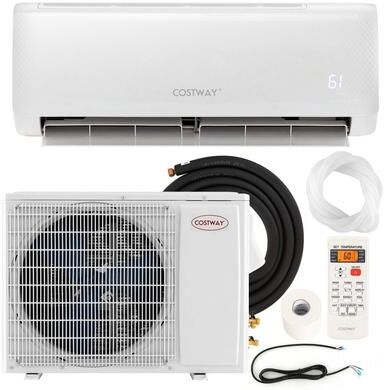
12,000 BTU Mini Split Air Conditioner AC Unit w/ Heat PumpThis inverter split air conditioner is a cost-effective choice for cooling and heating. The inverter technology enables a more stable power consumption as time goes on compared to non-inverter technology.620,39 $*Shipping: 0,00 $Secure redirect to the provider
-
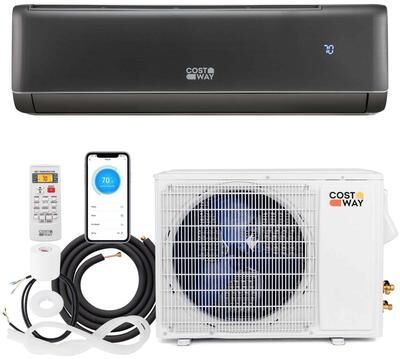
18000 BTU Wifi Enabled Mini Split Air Conditioner & Heater w/Heat PumpMeet all your cooling and heating needs with this powerful wall AC unit. Capable of cooling up to 1250 sq.ft and functioning even in extreme temperatures, this AC unit is equipped with advanced inverter technology for energy efficiency.1179,49 $*Shipping: 0,00 $Secure redirect to the provider


-
Which air-water heat pump?
When choosing an air-water heat pump, it is important to consider factors such as the size of the space you need to heat, the climate of your location, and the energy efficiency of the pump. Some popular and reliable brands in the market include Mitsubishi Electric, Daikin, and Panasonic. It is recommended to consult with a professional HVAC technician to determine the best air-water heat pump for your specific needs and budget. **
-
What is a heat pump?
A heat pump is a device that can transfer heat from one location to another. It works by using a small amount of energy to move heat from a cooler space to a warmer space, making the cooler space warmer and the warmer space cooler. Heat pumps are commonly used for heating and cooling buildings, as well as for heating water. They are energy-efficient and environmentally friendly, as they can provide heating and cooling without burning fossil fuels. **
-
Which option is better: geothermal heat pump or heat baskets?
The better option between geothermal heat pumps and heat baskets depends on various factors such as the specific needs of the property, the local climate, and the available resources. Geothermal heat pumps are more efficient and environmentally friendly, as they use the stable temperature of the earth to heat and cool a building. However, they require a significant upfront investment for installation. On the other hand, heat baskets are a more affordable option and can be a good choice for smaller properties or in areas where geothermal heat pump installation is not feasible. Ultimately, the best option will depend on the specific circumstances of the property and the long-term goals of the owner. **
-
How can I heat the pool without a heat pump?
There are several alternative methods to heat a pool without a heat pump. One option is to use a solar pool cover to trap and retain heat from the sun. Another option is to install solar panels to directly heat the pool water. Additionally, a pool heater powered by natural gas or propane can be used to heat the pool water. Finally, a wood-burning or electric pool heater can also be used as an alternative to a heat pump. **


Is a heat exchanger the same as a heat pump?
No, a heat exchanger and a heat pump are not the same. A heat exchanger is a device that transfers heat from one fluid to another, without changing the temperature of the fluids. It is commonly used in HVAC systems and industrial processes. On the other hand, a heat pump is a device that transfers heat from a lower temperature to a higher temperature using mechanical work, typically for heating or cooling applications. While both devices are used for heat transfer, they operate on different principles and serve different purposes. **
What is a boiler protection device in a heat pump?
A boiler protection device in a heat pump is a safety feature designed to prevent the boiler from overheating or operating under unsafe conditions. It typically includes sensors and controls that monitor the temperature and pressure of the boiler, and can shut off the system if it detects any abnormalities. This helps to prevent damage to the boiler and ensures safe operation of the heat pump system. **
Top-Angebote
Products related to Testo-Monobloc-Heat-Pump:
-
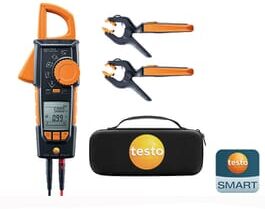
Testo Monobloc Heat Pump Testing KitTesto Monobloc Heat Pump Testing Kit – 770-3 Clamp Meter + 2 × 115i Pipe Clamp Thermometers Bluetooth Testo Smart App This kit combines the Testo 770-3 True RMS Clamp Meter with two Testo 115i Bluetooth Pipe Clamp Thermometers, giving heat pump engineers a way to check both electrical and thermal performance of a monobloc heat pump in a single site visit. All three instruments connect to the free Testo Smart App for live data, graphing and report generation, and are supplied in a tough transport case. The 770-3's retractable pincer arm reaches into tight areas of a heat pump electrical panel without needing to disconnect anything, measuring current draw, voltage, active/reactive/apparent power and inrush current at start-up. The two 115i clamps are fitted to the flow and return pipes, using NTC sensors to measure pipe temperature remotely and351,90 £*Shipping: 0,00 £Secure redirect to the provider
-
Testo Manual Smoke PumpTesto Manual Smoke Pump (0554 0307) The Testo Manual Smoke Pump is a heavy-duty instrument for accurately measuring the smoke content in oil burner flue gases, taking the guesswork out of setting a burner for optimal efficiency. Flue gas is drawn through the pump, staining the supplied filter paper, and the result is compared against an included smoke scale for a precise reading. It's compatible with Testo's range of flue gas analysers for determining the smoke number in oil burners, and is TÜV approved, corresponding to DIN 51402 and ASTM D 2156. The robust construction is built for long-term use in demanding site conditions. It's supplied with a smoke scale, filter paper (pack of 40) and lubricant. Please check with us whether the probe cone is included with this specific kit, or needs to be ordered separately. Key Features &141,78 £*Shipping: 0,00 £Secure redirect to the provider
-
Testo 565i Vacuum PumpTesto 565i Vacuum Pump (0564 5652 02) Manually watching a vacuum gauge and guessing when a system has held long enough is one of the easier places to get an evacuation wrong. The testo 565i removes that guesswork by automating the process: it stops pumping once the target vacuum is reached and immediately runs a hold test to confirm the system is airtight, logging the data as it goes. This automated evacuation and hold-test function specifically requires pairing with the testo 552i vacuum probe, which is sold separately — without it, the 565i still runs as a standard two-stage pump, just without the automatic stop and test. Rated 7 CFM (198 l/min) with a two-stage rotary vane design pulling down to 15 microns, it's built for A2L and A3 flammable refrigerant compatibility, which matters increasingly as more sites move to lower-GWP refrigerants that426,00 £*Shipping: 0,00 £Secure redirect to the provider
-
Yun 9000 btu Mini Split Air Conditioner Heat Pump SystemEfficient Cooling & Heating: The mini split air conditioner is equipped with a high-power compressor and heat pump; Innovative inverter technology ensures optimal performance with 35% energy savings; Covers 450 square feet, ideal for bedrooms, living…983,00 $*Shipping: 0,00 $Secure redirect to the provider
-
What is the difference between a split heat pump and a monobloc heat pump?
A split heat pump consists of two separate units - an indoor unit and an outdoor unit. The indoor unit contains the evaporator coil and the air handler, while the outdoor unit contains the compressor and the condenser coil. In contrast, a monobloc heat pump is a single unit that contains all the components in one casing, making it easier to install and maintain. Split heat pumps are typically more efficient and quieter than monobloc heat pumps, but they are also more complex and expensive to install. **
-
How do I connect a heat pump dryer to a heat pump?
To connect a heat pump dryer to a heat pump, you will need to ensure that the heat pump dryer is compatible with the heat pump system. The heat pump dryer should have a compatible plug or connection that can be linked to the heat pump. You may need to consult the manufacturer's instructions or a professional installer to ensure that the connection is made properly and safely. It's important to follow all safety guidelines and manufacturer recommendations when connecting the heat pump dryer to the heat pump system. **
-
Which air-water heat pump?
When choosing an air-water heat pump, it is important to consider factors such as the size of the space you need to heat, the climate of your location, and the energy efficiency of the pump. Some popular and reliable brands in the market include Mitsubishi Electric, Daikin, and Panasonic. It is recommended to consult with a professional HVAC technician to determine the best air-water heat pump for your specific needs and budget. **
-
What is a heat pump?
A heat pump is a device that can transfer heat from one location to another. It works by using a small amount of energy to move heat from a cooler space to a warmer space, making the cooler space warmer and the warmer space cooler. Heat pumps are commonly used for heating and cooling buildings, as well as for heating water. They are energy-efficient and environmentally friendly, as they can provide heating and cooling without burning fossil fuels. **
Similar search terms for Testo-Monobloc-Heat-Pump
-
12,000 BTU Mini Split Air Conditioner AC Unit w/ Heat PumpThis inverter split air conditioner is a cost-effective choice for cooling and heating. The inverter technology enables a more stable power consumption as time goes on compared to non-inverter technology.620,39 $*Shipping: 0,00 $Secure redirect to the provider
-
18000 BTU Wifi Enabled Mini Split Air Conditioner & Heater w/Heat PumpMeet all your cooling and heating needs with this powerful wall AC unit. Capable of cooling up to 1250 sq.ft and functioning even in extreme temperatures, this AC unit is equipped with advanced inverter technology for energy efficiency.1179,49 $*Shipping: 0,00 $Secure redirect to the provider
-
HairTry Heat Lock Leave-In Conditioner with Heat Protection 200mL Expiration Date: 2027-02-28A conditioner. Advanced Heat Protection: Shields hair from damage up to 230°C. Deep Moisture & Repair: KERATRIX™ and hydrolyzed wheat proteins strengthen and hydrate. Silky Smooth Results: Tames frizz, reduces breakage, and enhances shine. Easier Styling: Detangles hair while eliminating static and improving manageability.12,27 £*Shipping: 7,11 £Secure redirect to the provider
-
Which option is better: geothermal heat pump or heat baskets?
The better option between geothermal heat pumps and heat baskets depends on various factors such as the specific needs of the property, the local climate, and the available resources. Geothermal heat pumps are more efficient and environmentally friendly, as they use the stable temperature of the earth to heat and cool a building. However, they require a significant upfront investment for installation. On the other hand, heat baskets are a more affordable option and can be a good choice for smaller properties or in areas where geothermal heat pump installation is not feasible. Ultimately, the best option will depend on the specific circumstances of the property and the long-term goals of the owner. **
-
How can I heat the pool without a heat pump?
There are several alternative methods to heat a pool without a heat pump. One option is to use a solar pool cover to trap and retain heat from the sun. Another option is to install solar panels to directly heat the pool water. Additionally, a pool heater powered by natural gas or propane can be used to heat the pool water. Finally, a wood-burning or electric pool heater can also be used as an alternative to a heat pump. **
-
Is a heat exchanger the same as a heat pump?
No, a heat exchanger and a heat pump are not the same. A heat exchanger is a device that transfers heat from one fluid to another, without changing the temperature of the fluids. It is commonly used in HVAC systems and industrial processes. On the other hand, a heat pump is a device that transfers heat from a lower temperature to a higher temperature using mechanical work, typically for heating or cooling applications. While both devices are used for heat transfer, they operate on different principles and serve different purposes. **
-
What is a boiler protection device in a heat pump?
A boiler protection device in a heat pump is a safety feature designed to prevent the boiler from overheating or operating under unsafe conditions. It typically includes sensors and controls that monitor the temperature and pressure of the boiler, and can shut off the system if it detects any abnormalities. This helps to prevent damage to the boiler and ensures safe operation of the heat pump system. **
* All prices are inclusive of VAT and, if applicable, plus shipping costs. The offer information is based on the details provided by the respective shop and is updated through automated processes. Real-time updates do not occur, so deviations can occur in individual cases. ** Note: Parts of this content were created by AI.