Buy sunstroke.eu ?
We are moving the project
sunstroke.eu .
Are you interested in purchasing the domain
sunstroke.eu ?
domain@kv-gmbh.de · 0541-91531010
Buy sunstroke.eu ?
What is the actual difference between catalytic specificity and substrate specificity in enzymes?
Catalytic specificity refers to the ability of an enzyme to catalyze a specific chemical reaction, while substrate specificity refers to the ability of an enzyme to bind to a specific substrate. In other words, catalytic specificity is about the type of reaction that an enzyme can catalyze, while substrate specificity is about the specific molecule that an enzyme can bind to and act upon. Enzymes can have different levels of specificity for both their catalytic activity and their substrate binding, which allows them to carry out specific functions in the cell. **
What are substrate specificity and activity specificity using the example of restriction enzymes?
Substrate specificity refers to the ability of an enzyme to recognize and bind to a specific substrate molecule. In the case of restriction enzymes, they have substrate specificity for particular DNA sequences, known as recognition sites. For example, the restriction enzyme EcoRI recognizes and binds to the DNA sequence GAATTC. Activity specificity, on the other hand, refers to the specific chemical reaction that an enzyme catalyzes. In the case of restriction enzymes, their activity specificity is to cleave the DNA at specific recognition sites. For example, EcoRI cleaves the DNA at the GAATTC sequence. In summary, substrate specificity refers to the ability of an enzyme to recognize and bind to a specific substrate molecule, while activity specificity refers to the specific chemical reaction that the enzyme catalyzes. In the case of restriction enzymes, they have substrate specificity for specific DNA sequences and activity specificity to cleave the DNA at those sequences. **


Similar search terms for Specificity
Top-Angebote
Products related to Specificity:
-
Inspire Essentials Wooden Stone Pattern Coaster Set Heat Resistant Table Protection Decor Wooden Stone Pattern Coaster Set Heat Resistant Table Protection DecorAdd a touch of natural elegance to your space with this beautifully designed wooden coaster set featuring a realistic stone pattern finish. Perfect for both home and office use, these coasters protect your surfaces while enhancing your decor. The...34,98 $*Shipping: 0,00 $Secure redirect to the provider
-
HairTry Heat Lock Leave-In Conditioner with Heat Protection 200mL Expiration Date: 2027-02-28A conditioner. Advanced Heat Protection: Shields hair from damage up to 230°C. Deep Moisture & Repair: KERATRIX™ and hydrolyzed wheat proteins strengthen and hydrate. Silky Smooth Results: Tames frizz, reduces breakage, and enhances shine. Easier Styling: Detangles hair while eliminating static and improving manageability.12,27 £*Shipping: 7,11 £Secure redirect to the provider
-
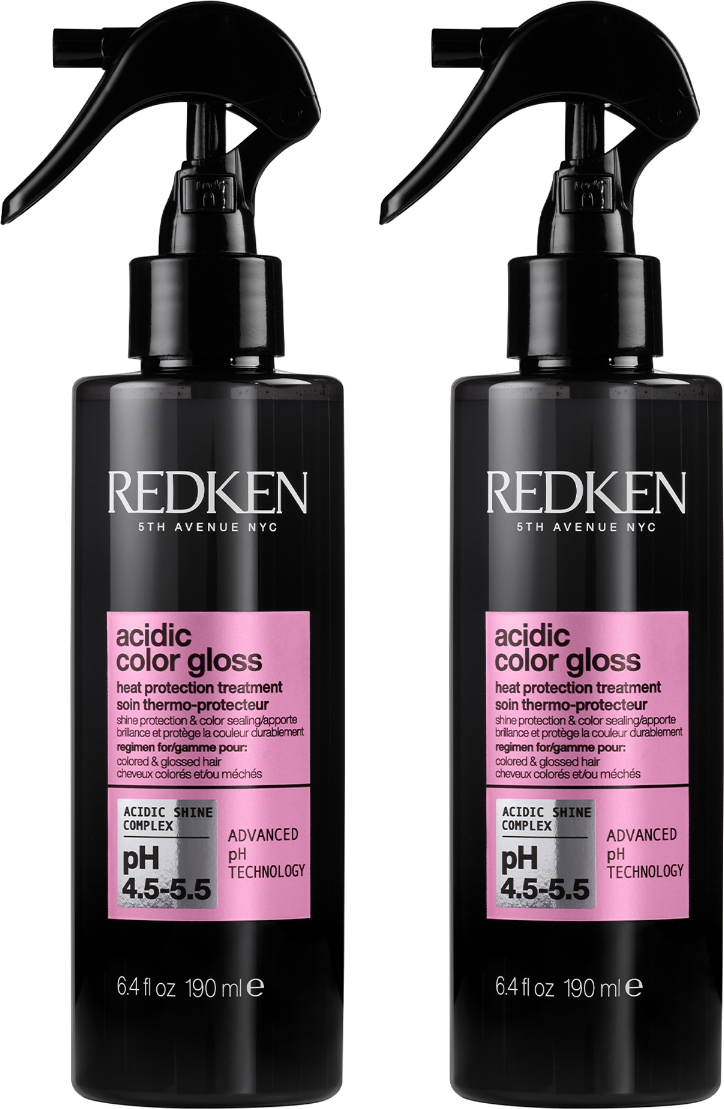
Redken Acidic Color Gloss Heat Protection Treatment 190ml DoubleStock up and save on the Redken Acidic Color Gloss Heat Protection Treatment 230°C with this double pack. Level up your colour-care and activate glass-like shine up to 3-days* whilst keeping hair protected with Acidic Color Gloss Heat Protection Leave-In Treatment. Formulated with Redken’s exclusive Acidic Shine Complex and Invisible Shield Technology, this formula deposits a professional gloss that not only looks but feels healthy and hydrated for up to 72 hours**. The Complex works by restoring the hair back to its healthiest pH [pH 4.5-5.5] and by sealing the cuticle, so your colour remains vibrant and your hair looks and feels healthy after a single application, for up to 13x smoother hair*** With The New! Invisible Shield Technology, you can now achieve glass-like shine without compromising the integrity of your hair. By sealing the hair with an invisible protective layer, this technology defends the cuticle from heat-damage up to 230°C and protects from other dulling agents, extending the look and feel of your professional gloss as well as combatting frizz for a smooth and silky finish after every use. *Consumer test using full system of Acidic Color Gloss **Acidic Gloss leave-in vs. non-conditioning shampoo *** Instrumental test leave-in vs. non-conditioning shampoo Ingredients: 1218395RK2 - INGREDIENTS: AQUA / WATER • DIMETHICONE • STEARYL ALCOHOL • BEHENTRIMONIUM CHLORIDE • TRIDECETH-9 PG-AMODIMETHICONE • PHENOXYETHANOL • POLYSORBATE 20 • PARFUM / FRAGRANCE • ISOPROPYL ALCOHOL • PPG-5-CETETH-20 • LAURETH-23 • LAURETH-4 • TRIDECETH-12 • GLYCINE SOJA OIL / SOYBEAN OIL • TOCOPHEROL • XYLOSE • ARGININE • GLUTAMIC ACID • LIMONENE • PROPYLENE GLYCOL • SERINE • SALICYLIC ACID • LINALOOL • BENZYL SALICYLATE • PEG/PPG-4/12 DIMETHICONE • BENZYL ALCOHOL • ALPHA-ISOMETHYL IONONE • COUMARIN • PENTAERYTHRITYL TETRA-DI-T-BUTYL HYDROXYHYDROCINNAMATE (F.I.L. Z70028071/1).40,50 £*Shipping: 0,00 £Secure redirect to the provider
-
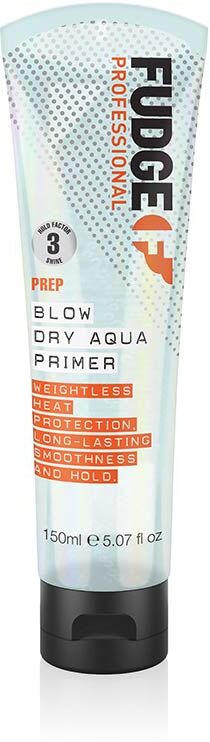
Fudge Blow Dry Aqua Lightweight Heat Protection Hair Styling Primer &Awaken your style with Fudge's Blow Dry Aqua Primer, Lightweight Heat Protection Hair Styling Primer & Shine Finish. This lightweight primer ensures a long-lasting blow-dry with added heat protection up to 230°c. Infused with weather-shield technology to protect your hair from unwanted frizz and humidity, Fudge's blow-dry primer ensures your hair is smooth and glossy with exceptional texture. Innovative non-sticky formula that holds your volume and body whilst hyaluronic acid provides ultimate hydration, resulting in healthy looking silky hair. UVA/UVB protection keeps your colour from fading, and prevents hair damage including split ends. Ingredients Aqua (Water), Propylene Glycol, Polyquaternium-37, Phenoxyethanol, PVP, PEG-40 Hydrogenated Castor Oil, Propoxytetramethyl Piperidinyl Dimethicone, VP/VA Copolymer, Chlorphenesin, Trideceth-6, Cetrimonium Chloride, Parfum (Fragrance), Guar Hydroxypropyltrimonium Chloride, Isopropyl Alcohol, Hydrolyzed Hyaluronic Acid, Lactic Acid, Sodium Hyaluronate, Citric Acid, Limonene, Benzyl Salicylate, Benzyl Alcohol, Amyl Cinnamal, Coumarin, Geraniol, Hydroxycitronellal, Linalool15,50 £*Shipping: 2,95 £Secure redirect to the provider


-
What is the substrate specificity of enzymes?
The substrate specificity of enzymes refers to the ability of an enzyme to recognize and bind to a specific substrate molecule. Enzymes are highly specific in their interactions with substrates, as they have active sites that are uniquely shaped to accommodate specific substrates. This specificity ensures that enzymes only catalyze specific reactions and do not interact with other molecules in the cell. Substrate specificity is crucial for the efficiency and regulation of biochemical reactions in living organisms. **
-
What is the biosubstrate specificity of bonds?
The biosubstrate specificity of bonds refers to the ability of enzymes to selectively bind to specific substrates and catalyze specific chemical reactions. Enzymes have specific active sites that are complementary to the shape and chemical properties of their substrates, allowing them to form temporary bonds and facilitate the conversion of substrates into products. This specificity is crucial for the regulation of biochemical pathways and the overall functioning of biological systems. It ensures that the right reactions occur at the right time and in the right place within the cell. **
-
What is the group specificity of enzymes?
Group specificity of enzymes refers to the ability of an enzyme to act on a specific functional group within a substrate molecule. This means that the enzyme can only catalyze a reaction involving a particular functional group, such as an alcohol or an amine. Enzymes with group specificity are highly selective and only interact with substrates that contain the specific functional group that they are designed to act upon. This specificity is important for the regulation and control of biochemical pathways in living organisms. **
-
What does the term cell type specificity mean?
Cell type specificity refers to the unique characteristics and functions of a particular type of cell within an organism. It means that certain cells are specialized to perform specific tasks or functions within the body, and they have distinct molecular and structural features that enable them to carry out these functions. This specificity allows for the coordination and regulation of various physiological processes within the organism, as different cell types can perform their specialized roles in a coordinated manner. Understanding cell type specificity is important for studying the development, function, and dysfunction of different tissues and organs in the body. **

What is the specificity of enzymes on substrates?
Enzymes are highly specific in their interactions with substrates, meaning that each enzyme typically catalyzes a specific chemical reaction with a specific substrate. This specificity is due to the unique three-dimensional shape of the enzyme's active site, which is complementary to the shape and chemical properties of its specific substrate. The enzyme-substrate interaction is often compared to a lock and key, where the enzyme (lock) can only bind to its specific substrate (key) due to their precise matching shapes and chemical properties. This specificity ensures that enzymes can efficiently catalyze specific reactions without interfering with other cellular processes. **
What is the difference between hydration and dehydration?
Hydration refers to the process of providing the body with enough fluids to maintain proper function and balance. It involves consuming water and other fluids to prevent the body from becoming dehydrated. Dehydration, on the other hand, occurs when the body loses more fluids than it takes in, leading to an imbalance that can cause symptoms such as thirst, dry mouth, fatigue, and dizziness. In summary, hydration is the act of providing the body with enough fluids, while dehydration is the state of having insufficient fluids in the body. **
Top-Angebote
Products related to Specificity:
-
Revolution X Alagia Dominicana Glow & Sunburn gift set for lips 1 pcRevolution X Alagia Dominicana Glow & Sunburn, 1 pc, Cosmetic Sets for Women, Lips as smooth as glass and as reflective as a mirror? The Revolution X Alagia Dominicana Glow & Sunburn lip gloss can turn this dream into reality. It envelops the lips in a high-gloss formula, smoothing and evening out their surface to mask any lines or wrinkles while giving your lips long-lasting comfort. It promotes their soft appearance, preventing visible dryness that can interfere with your perfect makeup look. In no time at all, it helps you achieve beautifully glossy, luscious lips, making them the centre of attention and irresistibly kissable. The set contains: Makeup Revolution, x Alagia Lip Oil Sunburn lip oil 1,4 ml Makeup Revolution, x Alagia Lip Dominicana Glow lip oil 1,4 ml Characteristics: moisturises and softens lips smooths fine lines on the lips ensures a high gloss adds subtle colour to lips perfectly brings out your lips a treat for any woman How to use: Apply an even layer to the lips with an applicator.5,00 £*Shipping: 3,99 £Secure redirect to the provider
-
Gucci Gucci Beauty Vernis à Ongles nail polish shade 414 Peggy Sunburn 10 mlGucci Gucci Beauty Vernis à Ongles, 10 ml, Nail Varnishes for Women, A gorgeous manicure as though you’d just left the nail salon? The Gucci Gucci Beauty Vernis à Ongles nail polish lets you achieve it in the comfort of your own home. It coats the surface of the nail with a continuous layer of long-lasting, intense colour with a glossy finish, helping to give your nails a manicured, perfectly groomed look. You can use it to accentuate your nails or perhaps to enhance your outfit and style. So which colour will you choose to make your nails pop? Characteristics: ensures a high gloss dries quickly lasts a long time without flaking off How to use: Apply the polish using a brush for polish-free, degreased nails. For best results, apply two layers.29,90 £*Shipping: 3,99 £Secure redirect to the provider
-
Inspire Essentials Wooden Stone Pattern Coaster Set Heat Resistant Table Protection Decor Wooden Stone Pattern Coaster Set Heat Resistant Table Protection DecorAdd a touch of natural elegance to your space with this beautifully designed wooden coaster set featuring a realistic stone pattern finish. Perfect for both home and office use, these coasters protect your surfaces while enhancing your decor. The...34,98 $*Shipping: 0,00 $Secure redirect to the provider
-
HairTry Heat Lock Leave-In Conditioner with Heat Protection 200mL Expiration Date: 2027-02-28A conditioner. Advanced Heat Protection: Shields hair from damage up to 230°C. Deep Moisture & Repair: KERATRIX™ and hydrolyzed wheat proteins strengthen and hydrate. Silky Smooth Results: Tames frizz, reduces breakage, and enhances shine. Easier Styling: Detangles hair while eliminating static and improving manageability.12,27 £*Shipping: 7,11 £Secure redirect to the provider
-
What is the actual difference between catalytic specificity and substrate specificity in enzymes?
Catalytic specificity refers to the ability of an enzyme to catalyze a specific chemical reaction, while substrate specificity refers to the ability of an enzyme to bind to a specific substrate. In other words, catalytic specificity is about the type of reaction that an enzyme can catalyze, while substrate specificity is about the specific molecule that an enzyme can bind to and act upon. Enzymes can have different levels of specificity for both their catalytic activity and their substrate binding, which allows them to carry out specific functions in the cell. **
-
What are substrate specificity and activity specificity using the example of restriction enzymes?
Substrate specificity refers to the ability of an enzyme to recognize and bind to a specific substrate molecule. In the case of restriction enzymes, they have substrate specificity for particular DNA sequences, known as recognition sites. For example, the restriction enzyme EcoRI recognizes and binds to the DNA sequence GAATTC. Activity specificity, on the other hand, refers to the specific chemical reaction that an enzyme catalyzes. In the case of restriction enzymes, their activity specificity is to cleave the DNA at specific recognition sites. For example, EcoRI cleaves the DNA at the GAATTC sequence. In summary, substrate specificity refers to the ability of an enzyme to recognize and bind to a specific substrate molecule, while activity specificity refers to the specific chemical reaction that the enzyme catalyzes. In the case of restriction enzymes, they have substrate specificity for specific DNA sequences and activity specificity to cleave the DNA at those sequences. **
-
What is the substrate specificity of enzymes?
The substrate specificity of enzymes refers to the ability of an enzyme to recognize and bind to a specific substrate molecule. Enzymes are highly specific in their interactions with substrates, as they have active sites that are uniquely shaped to accommodate specific substrates. This specificity ensures that enzymes only catalyze specific reactions and do not interact with other molecules in the cell. Substrate specificity is crucial for the efficiency and regulation of biochemical reactions in living organisms. **
-
What is the biosubstrate specificity of bonds?
The biosubstrate specificity of bonds refers to the ability of enzymes to selectively bind to specific substrates and catalyze specific chemical reactions. Enzymes have specific active sites that are complementary to the shape and chemical properties of their substrates, allowing them to form temporary bonds and facilitate the conversion of substrates into products. This specificity is crucial for the regulation of biochemical pathways and the overall functioning of biological systems. It ensures that the right reactions occur at the right time and in the right place within the cell. **
Similar search terms for Specificity
-
Redken Acidic Color Gloss Heat Protection Treatment 190ml DoubleStock up and save on the Redken Acidic Color Gloss Heat Protection Treatment 230°C with this double pack. Level up your colour-care and activate glass-like shine up to 3-days* whilst keeping hair protected with Acidic Color Gloss Heat Protection Leave-In Treatment. Formulated with Redken’s exclusive Acidic Shine Complex and Invisible Shield Technology, this formula deposits a professional gloss that not only looks but feels healthy and hydrated for up to 72 hours**. The Complex works by restoring the hair back to its healthiest pH [pH 4.5-5.5] and by sealing the cuticle, so your colour remains vibrant and your hair looks and feels healthy after a single application, for up to 13x smoother hair*** With The New! Invisible Shield Technology, you can now achieve glass-like shine without compromising the integrity of your hair. By sealing the hair with an invisible protective layer, this technology defends the cuticle from heat-damage up to 230°C and protects from other dulling agents, extending the look and feel of your professional gloss as well as combatting frizz for a smooth and silky finish after every use. *Consumer test using full system of Acidic Color Gloss **Acidic Gloss leave-in vs. non-conditioning shampoo *** Instrumental test leave-in vs. non-conditioning shampoo Ingredients: 1218395RK2 - INGREDIENTS: AQUA / WATER • DIMETHICONE • STEARYL ALCOHOL • BEHENTRIMONIUM CHLORIDE • TRIDECETH-9 PG-AMODIMETHICONE • PHENOXYETHANOL • POLYSORBATE 20 • PARFUM / FRAGRANCE • ISOPROPYL ALCOHOL • PPG-5-CETETH-20 • LAURETH-23 • LAURETH-4 • TRIDECETH-12 • GLYCINE SOJA OIL / SOYBEAN OIL • TOCOPHEROL • XYLOSE • ARGININE • GLUTAMIC ACID • LIMONENE • PROPYLENE GLYCOL • SERINE • SALICYLIC ACID • LINALOOL • BENZYL SALICYLATE • PEG/PPG-4/12 DIMETHICONE • BENZYL ALCOHOL • ALPHA-ISOMETHYL IONONE • COUMARIN • PENTAERYTHRITYL TETRA-DI-T-BUTYL HYDROXYHYDROCINNAMATE (F.I.L. Z70028071/1).40,50 £*Shipping: 0,00 £Secure redirect to the provider
-
Fudge Blow Dry Aqua Lightweight Heat Protection Hair Styling Primer &Awaken your style with Fudge's Blow Dry Aqua Primer, Lightweight Heat Protection Hair Styling Primer & Shine Finish. This lightweight primer ensures a long-lasting blow-dry with added heat protection up to 230°c. Infused with weather-shield technology to protect your hair from unwanted frizz and humidity, Fudge's blow-dry primer ensures your hair is smooth and glossy with exceptional texture. Innovative non-sticky formula that holds your volume and body whilst hyaluronic acid provides ultimate hydration, resulting in healthy looking silky hair. UVA/UVB protection keeps your colour from fading, and prevents hair damage including split ends. Ingredients Aqua (Water), Propylene Glycol, Polyquaternium-37, Phenoxyethanol, PVP, PEG-40 Hydrogenated Castor Oil, Propoxytetramethyl Piperidinyl Dimethicone, VP/VA Copolymer, Chlorphenesin, Trideceth-6, Cetrimonium Chloride, Parfum (Fragrance), Guar Hydroxypropyltrimonium Chloride, Isopropyl Alcohol, Hydrolyzed Hyaluronic Acid, Lactic Acid, Sodium Hyaluronate, Citric Acid, Limonene, Benzyl Salicylate, Benzyl Alcohol, Amyl Cinnamal, Coumarin, Geraniol, Hydroxycitronellal, Linalool15,50 £*Shipping: 2,95 £Secure redirect to the provider
-
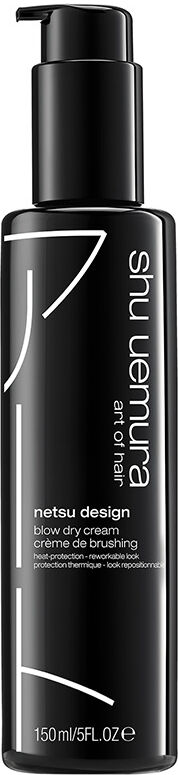
Shu Uemura Netsu Design - Heat Protection Blow Dry Cream 150mlThis protective cream expertly primes the hair for heat styling, so you can create repositionable, versatile looks that last for days. Inspired by the Japanese art of minimalism, the Netsu Design from Shu Uemura also helps tame frizz for a sleek, shiny finish. Key Benefits • Protects against heat up to 230° C* • Tames frizz • Long-lasting hold Ingredients Aqua / water, cera alba / beeswax, dimethicone, isopropyl myristate, phenoxyethanol, hydroxypropyl guar, peg-40 hydrogenated castor oil, triethanolamine, hydroxyethylcellulose, caprylyl glycol, dimethiconol, peg-30 glyceryl stearate, hydrogenated styrene/butadiene copolymer, ethylhexylglycerin, limonene, acrylates/c10-30 alkyl acrylate crosspolymer, disodium stearoyl glutamate, benzyl benzoate, alpha-isomethyl ionone, linalool, hexyl cinnamal, citral, peg-30 dipolyhydroxystearate, trideceth-6, benzyl alcohol, citronellol, tocopherol, parfum / fragrance. Gorgeous Shop24,50 £*Shipping: 0,00 £Secure redirect to the provider
-
Silentnight Comfort Control Electric Blanket - Single 135x72cm, 3 Heat Settings, Fast Heat, Overheat Protection, Machine Washable, NewExceptionally Cozy Comfort : Crafted with premium fleece for unmatched warmth and softness. Quick Heat-Up Feature : Experience rapid warming with three adjustable heat settings for personalized comfort. Safety Assured : Overheat protection ensures peace of mind; designed for safe use with a flat layout of 135cm x 72cm. Avoid using when folded or creased. Economical Heating Solution : Enjoy low-cost warmth at just 1p, making it affordable to stay warm and comfortable. Easy Installation & Maintenance : Comes with simple installation straps for a secure fit and is machine washable for hassle-free cleanliness.28,99 £*Shipping: 0,00 £Secure redirect to the provider
-
What is the group specificity of enzymes?
Group specificity of enzymes refers to the ability of an enzyme to act on a specific functional group within a substrate molecule. This means that the enzyme can only catalyze a reaction involving a particular functional group, such as an alcohol or an amine. Enzymes with group specificity are highly selective and only interact with substrates that contain the specific functional group that they are designed to act upon. This specificity is important for the regulation and control of biochemical pathways in living organisms. **
-
What does the term cell type specificity mean?
Cell type specificity refers to the unique characteristics and functions of a particular type of cell within an organism. It means that certain cells are specialized to perform specific tasks or functions within the body, and they have distinct molecular and structural features that enable them to carry out these functions. This specificity allows for the coordination and regulation of various physiological processes within the organism, as different cell types can perform their specialized roles in a coordinated manner. Understanding cell type specificity is important for studying the development, function, and dysfunction of different tissues and organs in the body. **
-
What is the specificity of enzymes on substrates?
Enzymes are highly specific in their interactions with substrates, meaning that each enzyme typically catalyzes a specific chemical reaction with a specific substrate. This specificity is due to the unique three-dimensional shape of the enzyme's active site, which is complementary to the shape and chemical properties of its specific substrate. The enzyme-substrate interaction is often compared to a lock and key, where the enzyme (lock) can only bind to its specific substrate (key) due to their precise matching shapes and chemical properties. This specificity ensures that enzymes can efficiently catalyze specific reactions without interfering with other cellular processes. **
-
What is the difference between hydration and dehydration?
Hydration refers to the process of providing the body with enough fluids to maintain proper function and balance. It involves consuming water and other fluids to prevent the body from becoming dehydrated. Dehydration, on the other hand, occurs when the body loses more fluids than it takes in, leading to an imbalance that can cause symptoms such as thirst, dry mouth, fatigue, and dizziness. In summary, hydration is the act of providing the body with enough fluids, while dehydration is the state of having insufficient fluids in the body. **
* All prices are inclusive of VAT and, if applicable, plus shipping costs. The offer information is based on the details provided by the respective shop and is updated through automated processes. Real-time updates do not occur, so deviations can occur in individual cases. ** Note: Parts of this content were created by AI.