Buy sunstroke.eu ?
We are moving the project
sunstroke.eu .
Are you interested in purchasing the domain
sunstroke.eu ?
domain@kv-gmbh.de · 0541-91531010
Buy sunstroke.eu ?
What is metal heat?
Metal heat refers to the process of applying heat to metal in order to change its physical properties. This can include heating the metal to a specific temperature to make it more malleable for shaping or forming, or to alter its hardness or strength through processes like annealing or tempering. Metal heat treatment is commonly used in industries such as manufacturing, construction, and automotive to achieve desired characteristics in metal components. **
What is the difference between hydration and dehydration?
Hydration refers to the process of providing the body with enough fluids to maintain proper function and balance. It involves consuming water and other fluids to prevent the body from becoming dehydrated. Dehydration, on the other hand, occurs when the body loses more fluids than it takes in, leading to an imbalance that can cause symptoms such as thirst, dry mouth, fatigue, and dizziness. In summary, hydration is the act of providing the body with enough fluids, while dehydration is the state of having insufficient fluids in the body. **


Similar search terms for Metal
Top-Angebote
Products related to Metal:
-
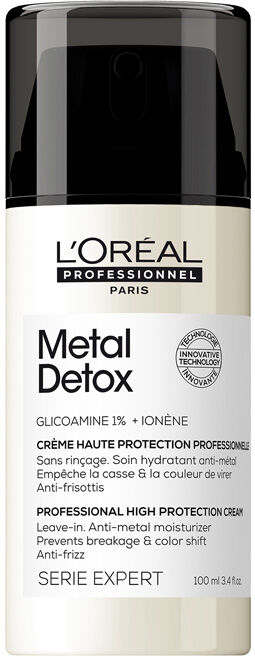
L'Oreal Professionnel L'Oréal Professionnel Metal Detox Anti-Metal High Protection Cream 10When we wash our hair, metal particles present in water, such as copper, can penetrate the hair fibers. This creates a risk of hair breakage & hair colour changing. This protection cream is concentrated with 1% glicoamine, removes metal* in hair, and protects hair from new particles deposit - in order to stop breakage & colour changing. Intensely moisturized & strengthened, hair is protected against UV impact, oxidation, brushing & heat up to 230°C/450°F*. Hair is stronger & shinier. *Instrumental test after 10 applications. Ingredients: Please refer to the product packaging for the most relevant ingredients list.27,63 £*Shipping: 0,00 £Secure redirect to the provider
-
Is metal a good conductor of heat?
Yes, metal is a good conductor of heat. This is because the atoms in a metal are closely packed together, allowing for the transfer of thermal energy through the material. When heat is applied to one part of a metal, the energy is quickly transferred throughout the entire material, making it an efficient conductor of heat. This property makes metal useful in many applications, such as in cookware and heat exchangers. **
-
What is the difference between Metal, Heavy Metal, Soft Metal, Black Metal, and Death Metal?
Metal is a broad genre of music that encompasses various subgenres, including Heavy Metal, Soft Metal, Black Metal, and Death Metal. Heavy Metal is characterized by its aggressive sound and powerful guitar riffs. Soft Metal, on the other hand, has a more melodic and mellow sound compared to Heavy Metal. Black Metal is known for its dark and atmospheric themes, often featuring high-pitched vocals and fast tempos. Death Metal is characterized by its guttural vocals, fast drumming, and complex guitar riffs, often focusing on themes of violence and death. **
-
Why does metal conduct heat better than plastic?
Metal conducts heat better than plastic because of its atomic structure. Metals have a crystalline structure with free-moving electrons that can easily transfer thermal energy. In contrast, plastics have a more amorphous structure with tightly bound atoms, which hinders the transfer of heat. This difference in atomic arrangement allows metals to efficiently conduct heat, making them better thermal conductors than plastics. **
-
Metal, Death Metal or Schlager?
It ultimately depends on personal preference and what type of music one enjoys. Metal and Death Metal are known for their heavy and aggressive sound, while Schlager is a genre of popular music in German-speaking countries that is more upbeat and catchy. Each genre has its own unique characteristics and appeal to different audiences. **
Which metal can withstand more heat, iron or copper?
Iron can withstand more heat than copper. Iron has a higher melting point of 1538 degrees Celsius, while copper has a melting point of 1084 degrees Celsius. This means that iron can withstand higher temperatures before it starts to melt compared to copper. **
How does discoloration of metal occur due to heat?
Discoloration of metal due to heat occurs when the metal is exposed to high temperatures, causing a chemical reaction that alters the surface of the metal. This reaction can lead to the formation of oxides or other compounds on the surface of the metal, resulting in a change in color. The specific color of the discoloration can vary depending on the type of metal and the temperature it is exposed to. In some cases, the discoloration can be removed through processes such as polishing or chemical treatments. **
Top-Angebote
Products related to Metal:
-
L'Oreal Professionnel L’Oréal Professionnel Metal Detox Anti-Metal High Protection CreamDouble up on your hair protection with this duo of Metal Detox Anti-Metal High Protection Cream. When we wash our hair, metal particles present in water, such as copper, can penetrate the hair fibers. This creates a risk of hair breakage & hair colour changing. This protection cream is concentrated with 1% glicoamine, removes metal* in hair, and protects hair from new particles deposit - in order to stop breakage & colour changing. Intensely moisturized & strengthened, hair is protected against UV impact, oxidation, brushing & heat up to 230°C/450°F*. Hair is stronger & shinier. *Instrumental test after 10 applications. Ingredients: Consumers should refer to the product packaging for the most relevant ingredients list.52,00 £*Shipping: 0,00 £Secure redirect to the provider
-
L'Oréal Professionnel Serie Expert Metal Detox High Protection Cream Anti-Metal 100mLA hair-care product. Metal Detox Anti-Metal High Protection Cream is a high protection leave-in cream for hydrated, protected, stronger hair and longer lasting, brighter color. Suitable for all hair textures, colored, damaged, bleached and natural hair. Wash after wash metal particles, such as copper, can penetrate the hair fiber.23,52 £*Shipping: 5,34 £Secure redirect to the provider
-
L'Oreal Professionnel L'Oréal Professionnel Metal Detox Anti-Metal High Protection Cream 10When we wash our hair, metal particles present in water, such as copper, can penetrate the hair fibers. This creates a risk of hair breakage & hair colour changing. This protection cream is concentrated with 1% glicoamine, removes metal* in hair, and protects hair from new particles deposit - in order to stop breakage & colour changing. Intensely moisturized & strengthened, hair is protected against UV impact, oxidation, brushing & heat up to 230°C/450°F*. Hair is stronger & shinier. *Instrumental test after 10 applications. Ingredients: Please refer to the product packaging for the most relevant ingredients list.27,63 £*Shipping: 0,00 £Secure redirect to the provider
-
What is metal heat?
Metal heat refers to the process of applying heat to metal in order to change its physical properties. This can include heating the metal to a specific temperature to make it more malleable for shaping or forming, or to alter its hardness or strength through processes like annealing or tempering. Metal heat treatment is commonly used in industries such as manufacturing, construction, and automotive to achieve desired characteristics in metal components. **
-
What is the difference between hydration and dehydration?
Hydration refers to the process of providing the body with enough fluids to maintain proper function and balance. It involves consuming water and other fluids to prevent the body from becoming dehydrated. Dehydration, on the other hand, occurs when the body loses more fluids than it takes in, leading to an imbalance that can cause symptoms such as thirst, dry mouth, fatigue, and dizziness. In summary, hydration is the act of providing the body with enough fluids, while dehydration is the state of having insufficient fluids in the body. **
-
Is metal a good conductor of heat?
Yes, metal is a good conductor of heat. This is because the atoms in a metal are closely packed together, allowing for the transfer of thermal energy through the material. When heat is applied to one part of a metal, the energy is quickly transferred throughout the entire material, making it an efficient conductor of heat. This property makes metal useful in many applications, such as in cookware and heat exchangers. **
-
What is the difference between Metal, Heavy Metal, Soft Metal, Black Metal, and Death Metal?
Metal is a broad genre of music that encompasses various subgenres, including Heavy Metal, Soft Metal, Black Metal, and Death Metal. Heavy Metal is characterized by its aggressive sound and powerful guitar riffs. Soft Metal, on the other hand, has a more melodic and mellow sound compared to Heavy Metal. Black Metal is known for its dark and atmospheric themes, often featuring high-pitched vocals and fast tempos. Death Metal is characterized by its guttural vocals, fast drumming, and complex guitar riffs, often focusing on themes of violence and death. **
Similar search terms for Metal
-
Why does metal conduct heat better than plastic?
Metal conducts heat better than plastic because of its atomic structure. Metals have a crystalline structure with free-moving electrons that can easily transfer thermal energy. In contrast, plastics have a more amorphous structure with tightly bound atoms, which hinders the transfer of heat. This difference in atomic arrangement allows metals to efficiently conduct heat, making them better thermal conductors than plastics. **
-
Metal, Death Metal or Schlager?
It ultimately depends on personal preference and what type of music one enjoys. Metal and Death Metal are known for their heavy and aggressive sound, while Schlager is a genre of popular music in German-speaking countries that is more upbeat and catchy. Each genre has its own unique characteristics and appeal to different audiences. **
-
Which metal can withstand more heat, iron or copper?
Iron can withstand more heat than copper. Iron has a higher melting point of 1538 degrees Celsius, while copper has a melting point of 1084 degrees Celsius. This means that iron can withstand higher temperatures before it starts to melt compared to copper. **
-
How does discoloration of metal occur due to heat?
Discoloration of metal due to heat occurs when the metal is exposed to high temperatures, causing a chemical reaction that alters the surface of the metal. This reaction can lead to the formation of oxides or other compounds on the surface of the metal, resulting in a change in color. The specific color of the discoloration can vary depending on the type of metal and the temperature it is exposed to. In some cases, the discoloration can be removed through processes such as polishing or chemical treatments. **
* All prices are inclusive of VAT and, if applicable, plus shipping costs. The offer information is based on the details provided by the respective shop and is updated through automated processes. Real-time updates do not occur, so deviations can occur in individual cases. ** Note: Parts of this content were created by AI.